

In the small, remote village of Khudrachakshri, Bagerhat, life for families like that of Tulshi Das was long defined by one pressing challenge: the absence of safe rinking water. For years, Tulshi and her family were forced to rely on saline and contaminated pond water, which carried not only a foul taste but also the constant threat of illness. Children suffered frequent stomach pain, diarrhea, and skin diseases, while adults experienced weakness and lost valuable working days.
“Every time I filled a glass of water, I worried. I boiled it, I strained it, but still it made us sick. As a mother, it broke my heart to see my children drink water that I knew was unsafe,” Tulshi recalls.
The struggle went beyond health. Medical expenses drained scarce household income, while repeated sickness kept Tulshi’s children out of school. Fetching water itself was an exhausting task. Women walked long distances, carrying heavy pitchers from distant ponds, only to return with unsafe water. For Tulshi, and many women in the village, this daily burden felt endless. In early 2024, under Strategic Objective 2 (SO2) enhancing Sustainable WaSH and MHM for Disadvantaged Communities, VBHES introduced an innovative solution in Khudrachakshri. A solar-powered pond water treatment system was installed, drawing surface water rom a nearby pond and purifying it through a multi-stage filtration process powered entirely by renewable energy. The system now supplies safe, affordable drinking water to 700–800 households, reaching nearly 3,500 people. Families pay just 0.50 BDT per liter, an amount affordable even for the most vulnerable. The system is managed by a local water committee, ensuring community ownership and sustainability. For Tulshi, this was nothing short of a revolution. “For the first time, I filled my children’s lass with water and felt no fear. I knew it was clean. I knew it was safe. I felt dignity return to my life,” she says with a smile
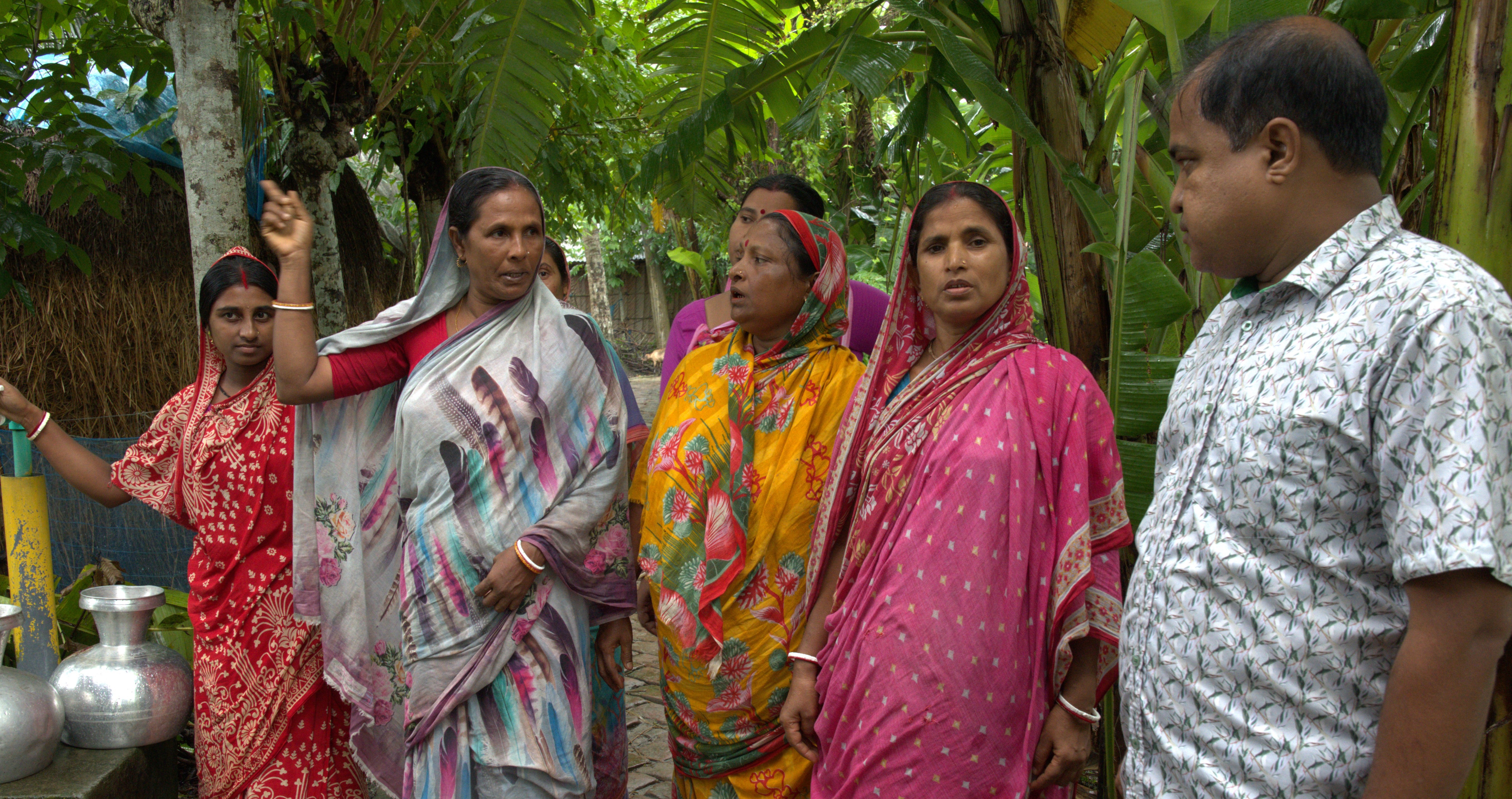
The impact was immediate and profound. Within months, clinic visits for waterborne diseases dropped sharply, saving families both time and money. Children like Tulshi’s son and daughter no longer missed school due to illness, and their attendance steadily improved. Teachers reported that students appeared more energetic and attentive in class. Women, who had long borne the brunt of water collection, now spend less time fetching water and more time contributing to household income or caring for their families. The sense of relief is tangible—no longer do mothers worry each time they hand their child a glass of water. The benefits extended beyond households. Community confidence grew as people recognized that collective effort and sustainable technology could solve even the most entrenched problems. Local youth were trained in maintaining the system, ensuring that technical expertise remains within the community. The solar-powered system has become more than just an infrastructure project—it is a symbol of dignity, resilience, and hope. For Tulshi, clean water has not only restored her children’s health but also given her renewed optimism for their future. “Now when I look at my children, I see strength instead of weakness. I believe they can grow, study, and dream without being held back by sickness from bad water,” Tulshi says proudly. This single intervention illustrates the power of SO2’s approach—integrating eco-friendly technology, community ownership, and inclusive solutions. By addressing water scarcity in a climate-affected, marginalized area, the program has built resilience against future challenges while ensuring equity and access for all, including women and children
Khudrachakshri’s success story demonstrates how sustainable WaSH interventions can change lives far beyond health outcomes. By providing clean water, the program has strengthened education, reduced economic stress, and empowered women and communities to thrive with dignity. The story of Tulshi Das is not just about one family—it represents the transformative impact of safe water for 3,500 people in Bagerhat. It is a reminder that when communities are equipped with the right tools and supported with inclusive, sustainable solutions, they can overcome barriers that once seemed insurmountable. In Tulshi’s words, “Water has changed everything for us. It gave us health, it gave us time, and it gave us hope. This is the biggest gift our community has ever received.