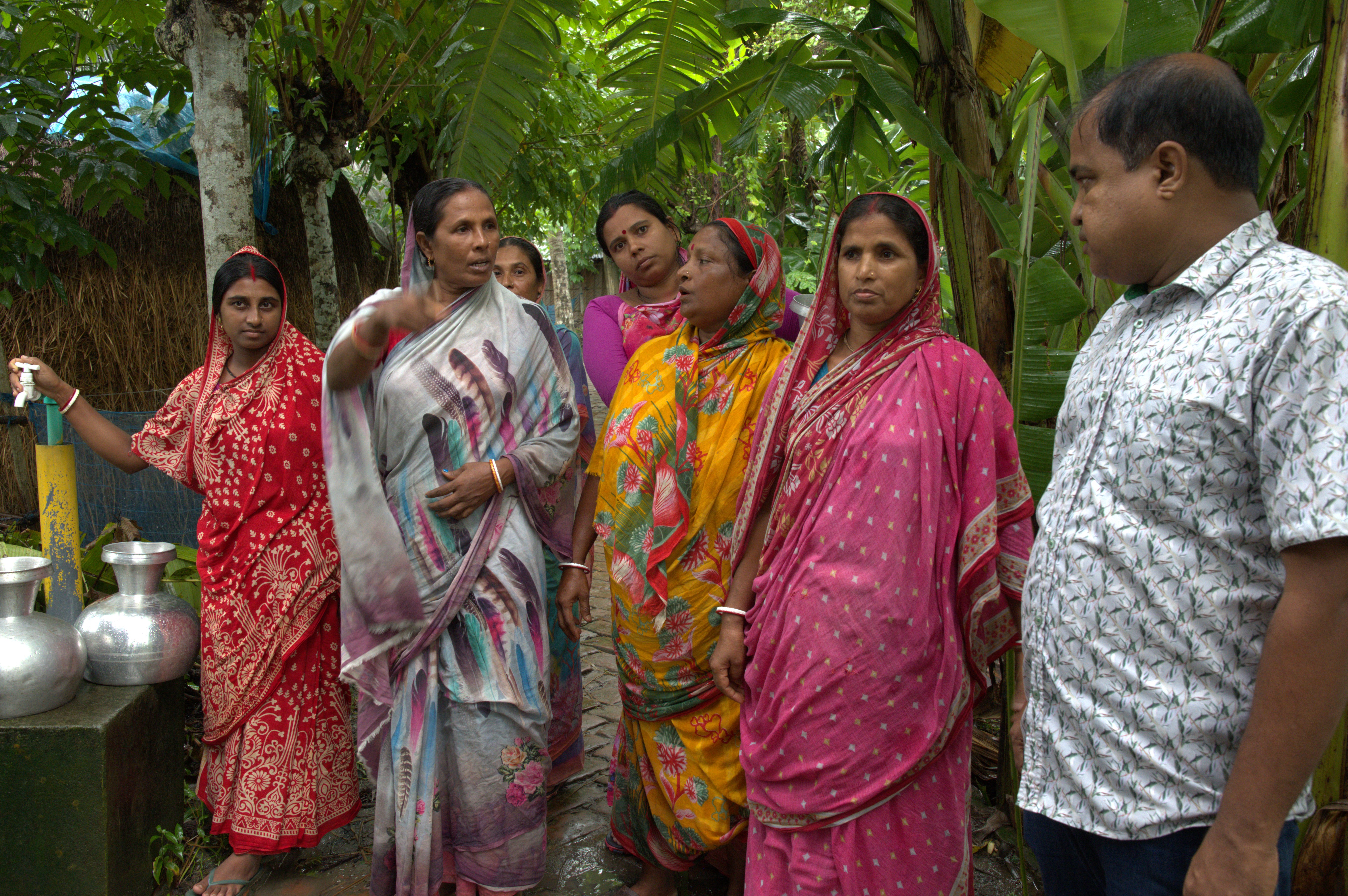
In the salinity-prone coastal belt of Bagerhat and surrounding areas in southwest Bangladesh, climate change has intensified the struggle for safe drinking water. Rising sea levels, tidal flooding, and cyclones from the Bay of Bengal have contaminated ponds, canals, and shallow tubewells, making them unsafe for consumption. For decades, women and children have borne the burden of walking one to two kilometers daily to collect limited potable water from overburdened shared sources. This exhausting routine caused physical strain, consumed valuable time, and exposed communities to waterborne diseases and chronic dehydration, particularly during the long dry season.
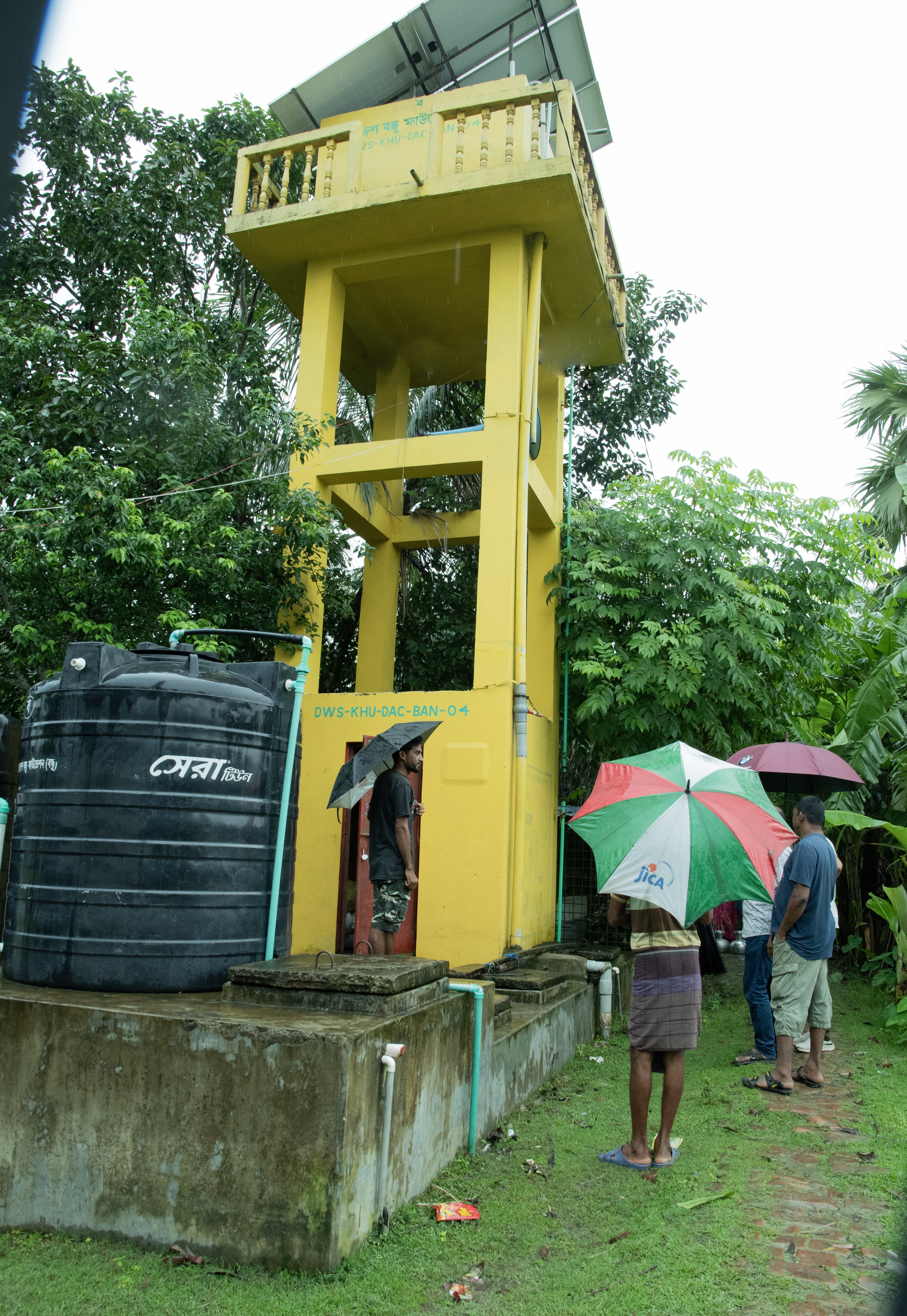
Aligned with Strategic Objective 2 (SO2) to enhance sustainable WaSH (Water, Sanitation, and Hygiene) and Menstrual Hygiene Management (MHM) for disadvantaged communities, the Water Program has mplemented an innovative, climate-resilient water supply model. This initiative integrates advanced technology with inclusive, community-driven infrastructure to ensure equitable access to safe water. Key interventions include:
33 Deep Tubewells: These tap into deeper, less saline aquifers, providing a reliable source of potable water resilient to seasonal fluctuations.
Two Reverse Osmosis (RO) Plants: These facilities desalinate highly saline water, delivering high-quality drinking water to severely affected villages.
Five Pond Sand Filters (PSFs): Using layered filtration, PSFs treat contaminated pond water, making it safe for household use.
Piped Water Networks: Extending up to 3 kilometers, these networks deliver water to community collection points, eliminating long walks and ensuring accessibility.
These facilities collectively serve approximately 3,000 households, significantly educing reliance on unsafe water sources. Eco-friendly technologies, such as solar-powered systems, align with SO2’s emphasis on environmental sustainability, ensuring resilience against climate variability. The program prioritizes inclusivity, adhering to SO2’s commitment to gender equality, good governance, environmental sustainability, and inclusion of persons with disabilities. Water collection points are designed with ramps and lighting to ensure accessibility for all, articularly women, children, and persons with disabilities. Community participation in planning and maintenance fosters local ownership, while transparent governance ensures accountability and trust.
The Water Program has delivered measurable outcomes:
Health Improvements: A 40% reduction in waterborne diseases, including a 35% decrease in diarrheal cases, has improved community health and reduced healthcare burdens.
Time Savings: By eliminating long walks for water, the program frees up time for women and girls, enabling them to pursue education, income-generating activities, or community roles.
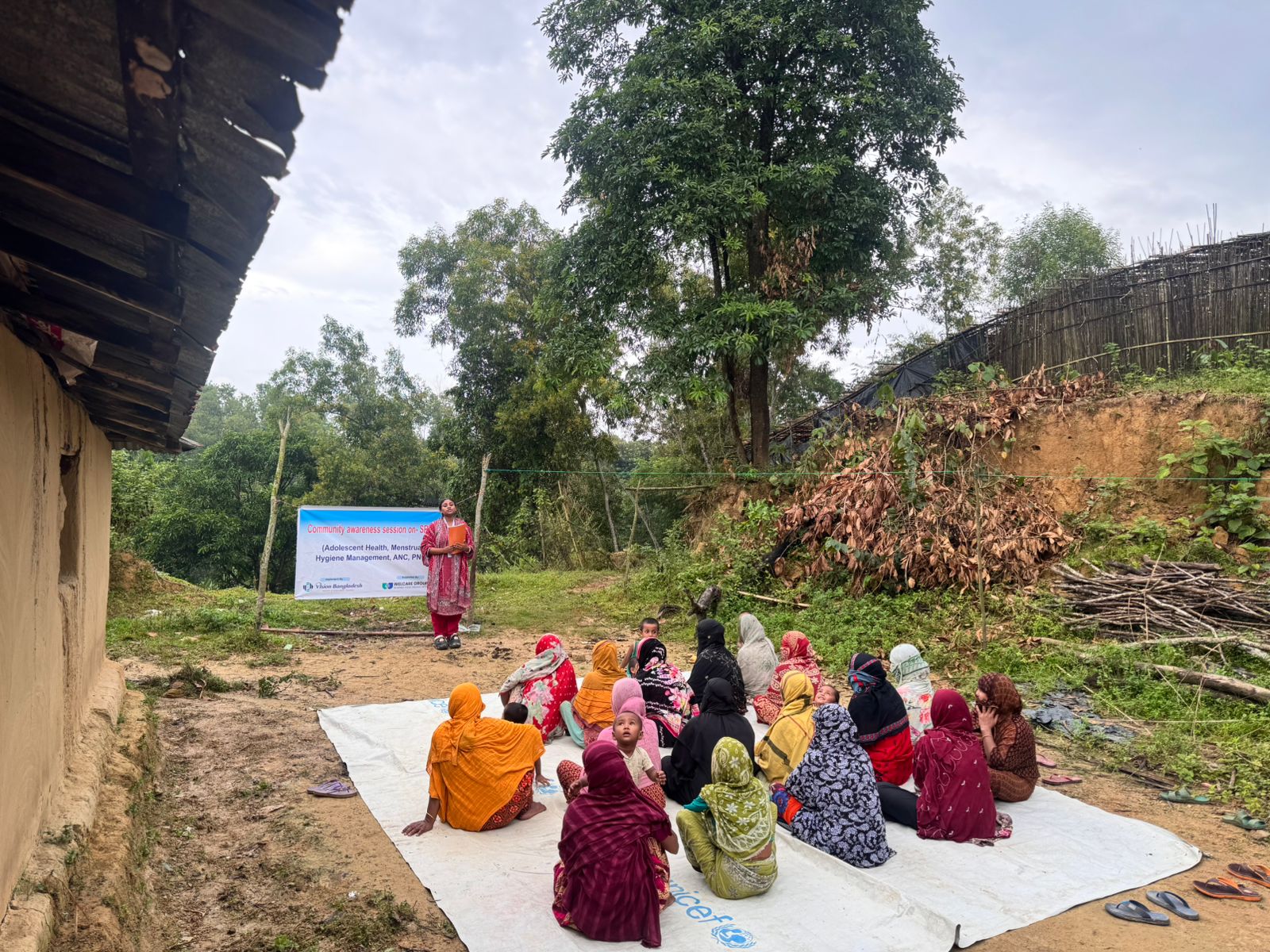
Empowerment Through MHM: The distribution of 2,500 MHM kits and the formation of 50 adolescent groups have empowered girls to manage menstruation with dignity, reducing Transforming Lives Through Sustainable Water Solutions in Bangladesh’s Coastal Belt 24 Annual Report school absenteeism by 80% and addressing cultural stigma.
Community Resilience: Behavior change campaigns, including workshops and school-based hygiene programs, have reached thousands, promoting safe water handling and hygiene practices for sustained impact.
By integrating innovative technology, inclusive infrastructure, and community empowerment, the Water Program sets a scalable model for other coastal districts in Bangladesh. It not only addresses immediate water scarcity but also builds long-term resilience against climate-induced challenges. This holistic approach, rooted in SO2’s principles, ensures sustainable health, dignity, and opportunities for disadvantaged communities, creating a brighter, more equitable future.