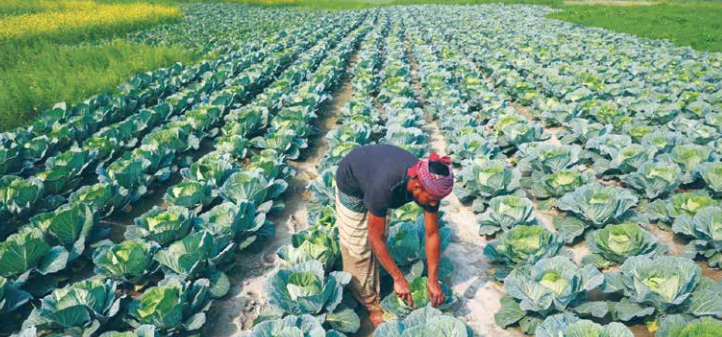
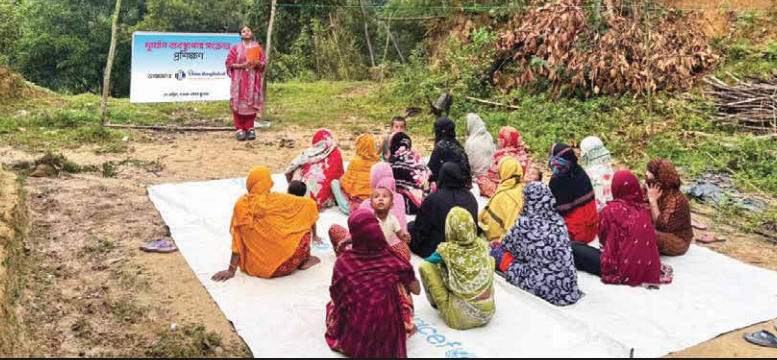
Resilient agriculture forms the cornerstone of SO1, addressing the challenges posed by climate change and environmental degradation. The program promotes climate-smart agricultural practices that enhance productivity, adaptability, and sustainability. Key activities include
Technology Transfer: Over 15,000 farmers have been directly and indirectly trained in climate-smart techniques, such as drought-resistant crop varieties, integrated pest management,
and efficient water use. These practices help farmers adapt to changing climatic conditions while maintaining or increasing yields.
Soil Health Management: The program emphasizes soil conservation techniques, including organic farming and crop rotation, to improve soil fertility and reduce dependency on chemical inputs.
Crop Diversification: Farmers are encouraged to grow a variety of crops to reduce risks associated with monoculture and ensure year-round food security.
Soil Health Management: The program emphasizes soil conservation techniques, including organic farming and crop rotation, to improve soil fertility and reduce dependency on chemical inputs.
Crop Diversification: Farmers are encouraged to grow a variety of crops to reduce risks associated with monoculture and ensure year-round food security.
Extension Services: Partnerships with agricultural experts and local institutions provide ongoing support, ensuring farmers have access to the latest research and innovations.
Tree Plantation: The program has distributed tree for community level plantation toward ensure environmental care and climate justice.
By equipping farmers with these tools and knowledge, the program enhances their ability to withstand environmental shocks and maintain stable livelihoods.